From the brewery
3 min read
The Psychology of Colors Explained

Written by
Ian Torenvlied
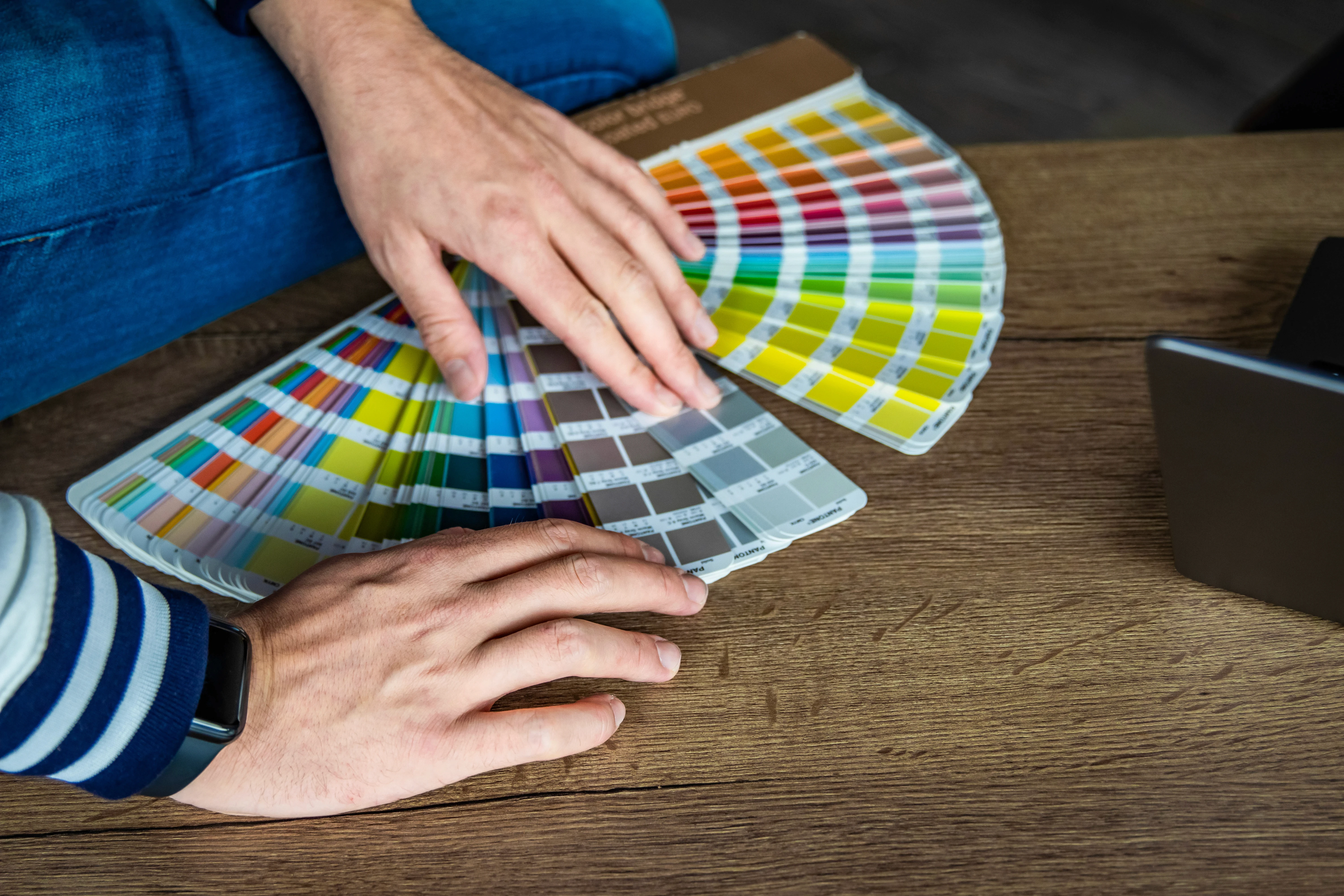
Color plays a crucial role in our daily lives, much more than we often realize. From the clothes we choose to the brands we identify with, colors influence our decisions, moods, and behaviors. In the world of marketing and branding, such as at MerkBrouwers, understanding color psychology is essential to create effective and appealing brand identities. Let's dive into the fascinating world of colors and discover how they affect us.
Red: Passion and Energy
Red is a color that evokes strong emotions. It is associated with passion, energy, and action. Red can attract attention and is often used in call-to-action buttons or sales banners. It also stimulates the appetite, making it a popular choice for food and beverage brands.
Blue: Trust and Calm
Blue is seen as a stable and reliable color, often used in corporate logo design to project trust, security, and professionalism. It also has a calming effect, making it a good choice for banks, insurance companies, and healthcare organizations.
Green: Growth and Harmony
Green is the color of nature, associated with growth, renewal, and harmony. It is often used in branding for sustainable and ecological products. Green also has a balancing effect, making it soothing to the eyes and suitable for brands focusing on well-being and balance.
Yellow: Optimism and Cheerfulness
Yellow is a bright and energetic color that radiates optimism and cheerfulness. It can stimulate creativity and is often used to attract attention. However, too much yellow can also cause anxiety, so it is important to use this color in moderation.
Orange: Friendliness and Enthusiasm
Orange combines the energy of red with the cheerfulness of yellow, resulting in a color that projects friendliness, enthusiasm, and accessibility. It is a great color to inject a sense of fun and adventure into a brand.
Purple: Luxury and Wisdom
Purple has long represented royalty and luxury. It is associated with wisdom, dignity, and creativity. Purple is a good choice for brands wishing to position themselves as luxurious or avant-garde.
Black: Power and Elegance
Black is powerful and versatile. It is associated with elegance, power, and sophistication. In branding, black is often used for luxury products or to create a powerful and sleek appearance.
White: Purity and Simplicity
White stands for purity, simplicity, and cleanliness. It is often used as a background color to create a sense of space and minimalism. White can also help other colors stand out.
In summary…
The psychology of colors is a powerful tool in branding and marketing. By understanding the meaning and effect of different colors, brands like MerkBrouwers can create effective and emotionally resonant brand identities. Colors can help communicate a brand's values and personality, attract the right target audience, and ultimately influence the brand's success in the market. The clever use of color psychology can help a brand stand out and build a deeper connection with its audience.