From the brewery
6 min read
What does MVP mean

Written by
Ian Torenvlied
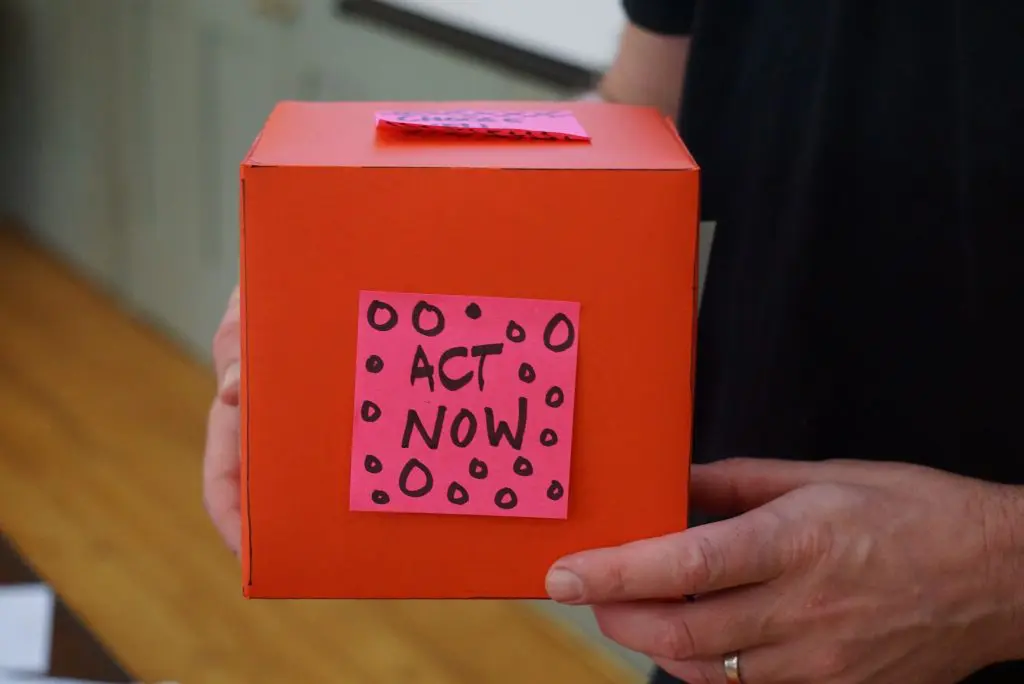
If you work in the design world, you have probably heard of the term MVP. But what does this actually mean? MVP stands for Minimum Viable Product, which means it is a concept or sketch that can be made and tested quickly and with minimal resources. The goal of an MVP is to determine whether an idea is feasible and whether it has the potential to become successful. An MVP can take various forms, such as a paper prototype, a wireframe of a website, or a physical model of a product. The most important thing is that it is a viable product that can be tested quickly.
Why is an MVP important in the design world?
In the design world, it is of great importance that a product is understandable for the user. Therefore, testing ideas with the target group or end-user is essential. An MVP offers the opportunity to quickly test whether an idea is feasible and whether it is understandable for the user. Based on this feedback, the product can be developed further.
Another major advantage of an MVP is that it saves time and costs. By quickly testing whether an idea is feasible, you prevent a lot of time and money from being spent on a product that will ultimately not catch on with customers.
MVPs are not only important in the design world, but also in the world of startups. Startups often have limited resources and need to be able to respond quickly to market changes. By creating an MVP, startups can quickly test whether their ideas are feasible and get feedback from their potential customers. This can help them to further develop and improve their product.
When do you use an MVP?
An MVP can be used when you have an idea for a new product or service and you want to see if it appeals to the target group. It can also be used to test whether new features or improvements appeal to the customer.
It is important to remember that an MVP is not the same as a prototype or a final product. It is an intermediate form intended to quickly test whether an idea is feasible and to get feedback from the customer.
How do you make an MVP?
Making an MVP starts with determining the core functionality of the product. What is the basic function of the product and what must it be able to do? Next, you can think about what other functionality is important to the user.
Based on this information, you can develop an MVP. This can be a simple sketch on paper, a wireframe of a website or an app, or a physical prototype of the product. The most important thing is that you can make a viable product to test with minimal resources.
Benefits of an MVP
The main benefit of an MVP is that you can quickly test whether your idea is feasible without investing a lot of time and money into developing a full product. Another advantage is that with an MVP, you can quickly get feedback from your customers. This can help you to further develop and improve the product. It can also help you determine which features and characteristics of the product are most important to your customers.
An MVP can also help you reduce risks. When you have an idea for a new product, it can be difficult to determine if the idea is actually feasible. By making and testing an MVP, you can quickly discover whether the idea is viable and if there is a demand for the product.
How do you ensure a successful MVP?
A successful MVP requires careful planning and execution. It all starts with a good understanding of the target group and their needs. You need to know what users want and what problems they have.
Next, you need to develop an MVP that addresses these needs and problems. The MVP must be easy to use and contain the core functionality of the product. This means you should not try to pack all features into the MVP. Focus on the most important functions and characteristics.
Another key aspect of a successful MVP is testing the product. Make sure you test the product with the target group and gather their feedback. Analyze the feedback and use it to further develop and improve the product.
What are the pitfalls of an MVP?
Although an MVP has many benefits, there are also some pitfalls to watch out for. One of the biggest pitfalls is trying to pack too many features into the MVP. This can lead to confusion for the user and can cause the MVP to be ineffective.
Another pitfall is not meeting customer expectations. When a customer sees an MVP, they usually expect that the product is not yet finished. However, the customer does expect the MVP to contain the core functionality of the product. If the MVP does not meet these expectations, it can lead to disappointment for the customer.
Conclusion
An MVP is an important tool in the design world and in the startup world because it offers the possibility to quickly and cost-effectively test whether an idea is feasible and whether it is understandable to the user. By testing smartly and iterating on the product, you can ultimately develop a product that resonates well with your customers, saving you a lot of time and money.
So, if you have an idea for a new product or service, definitely consider making and testing an MVP. It can help you quickly gain insight into the feasibility of your idea, and quickly learn what your customers want and need. Who knows, you might develop the next big product that will change the world!